Twelve dollars and four cents.
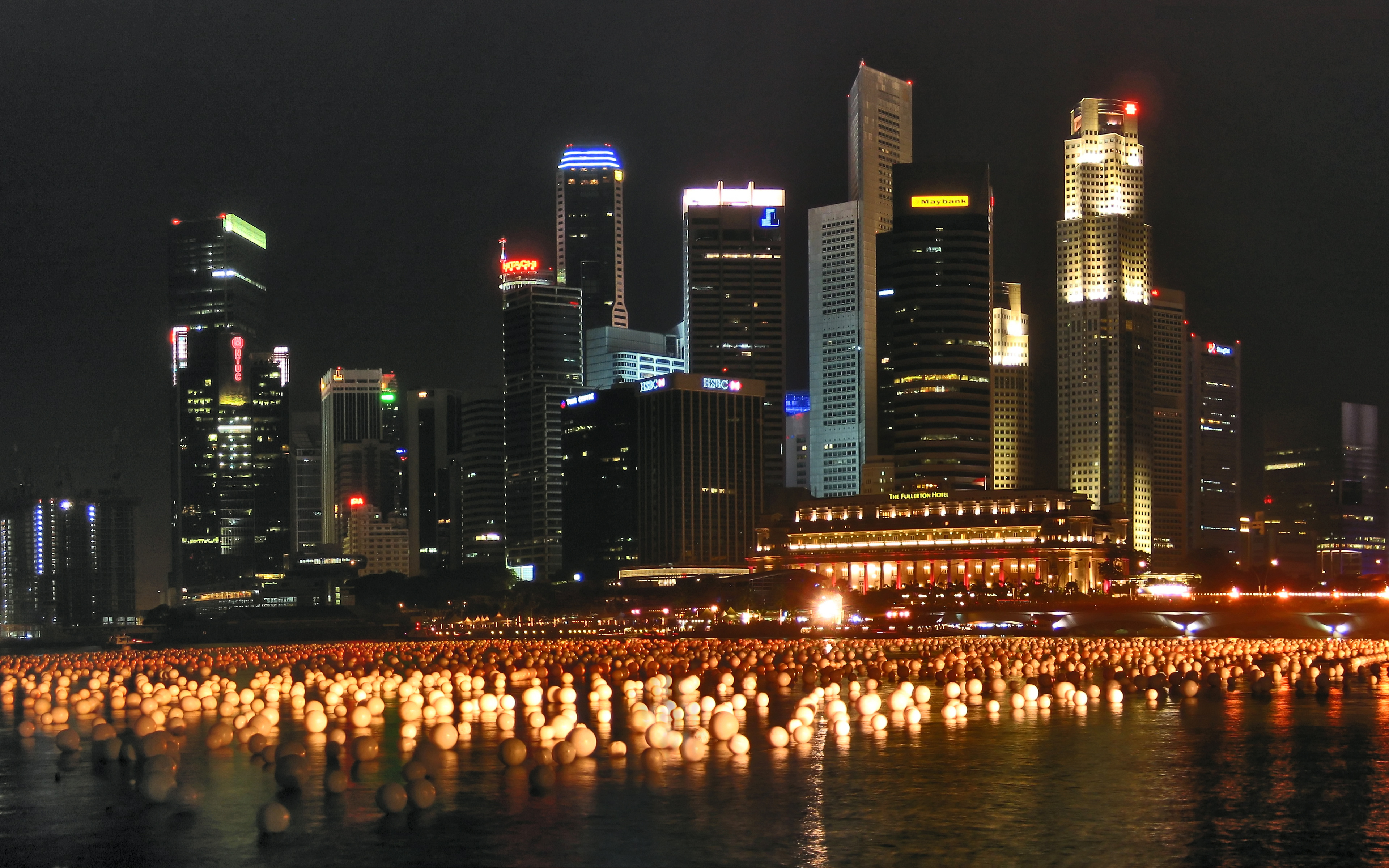
Grade A office rents in Singapore’s central business district reached S$12.04 per square foot per month in the first quarter of 2026, the highest reading in seventeen years, after rising 1.4 percent in the quarter. Vacancy in the core has tightened toward 6.9 percent. The last time rents stood here, in 2008, the number marked a peak about to break; today it marks a grind upward on almost no new supply.
The mechanism is worth stating plainly, because it will govern this market for several years. Singapore is adding very little CBD office space this decade; the CBD Incentive Scheme actively encourages conversion of older stock to residential and hotel use, subtracting supply; and the flight to quality concentrates demand on a small set of the best towers. Rising rents with modest economic growth is what a supply squeeze looks like from inside.
For occupiers, the negotiating climate has inverted from three years ago. The tenant taking space in 2026 is negotiating against scarcity, and the practical advice changes accordingly: commit longer where the building is right, because the rent curve’s slope is against you; and treat landlords with redevelopment optionality carefully, because their best alternative to your tenancy may be emptying the building.
For holders, the strategic question is the opposite one: whether to harvest the rent curve or sell into the strength. The 2025-26 transaction record, MBFC Tower 3 at S$3,268 per square foot, CapitaSpring at over a billion, shows what patient buyers will pay for the towers that benefit from exactly this dynamic. Owners of second-tier CBD assets, meanwhile, hold a different instrument: not a rent story but a conversion story, and its value depends on acting while the incentive scheme window stays open.
One market, two strategies, divided by asset quality. The mistake, as ever, is holding the second-tier asset on the first-tier thesis.
Zaiwealth advises occupiers, owners and investors across Singapore’s CBD and city-fringe office market.