78 Shenton Way, and the return of long-hold conviction.
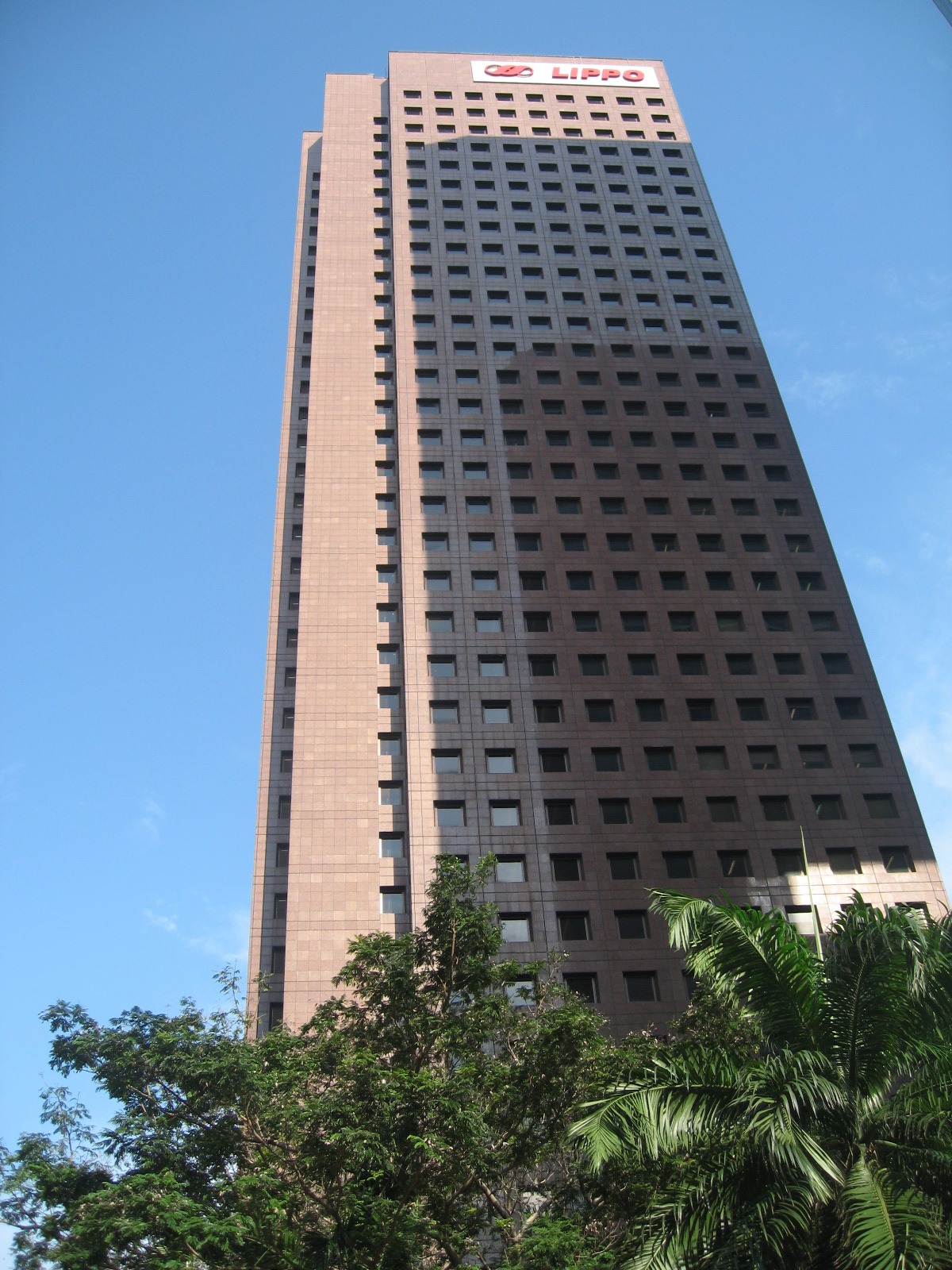
In March 2026, Allgreen Properties and Kuok (Singapore), both controlled by the Robert Kuok family office, completed the purchase of 78 Shenton Way from PGIM Real Estate for approximately S$630 million. The transaction had been in exclusive due diligence since early 2026 and represents one of the more consequential office acquisitions in Singapore’s central business district this cycle.
Two facts about the transaction are worth holding in view.
The first is that 78 Shenton Way is a redevelopment candidate. The two-tower asset, with a total net lettable area of roughly 360,000 square feet, sits within the Urban Redevelopment Authority’s CBD Incentive Scheme, which permits qualifying redevelopments up to an additional thirty percent of gross floor area. On this base, that uplift is substantial. At acquisition, 78 Shenton is arguably the most attractive latent-GFA position on a transacted CBD asset in recent memory.
The second is that Allgreen has publicly signalled it does not intend to redevelop. The stated position is long-hold.
That divergence, between what the asset could do and what the new owner intends to do with it, is the interesting part. Opportunistic capital would flip; patient capital holds. On this cycle, the asset passed from an institutional investor with a defined fund life to a family office with no such constraint. That is the move we have seen several times this year in Singapore CBD office, and it tracks a broader pattern across the region.
What it says about the CBD office sector, then, is not simply that prices have found a floor, though they likely have, but that the category of buyer at the margin has changed. When family-office capital chooses to hold an asset that institutional capital was prepared to sell, the implicit view is that the discount currently priced against Singapore office space is a mispricing, not a forecast.
Three implications follow for market participants.
Holders of CBD office with fund-life constraints may face a buyer pool dominated, on this cycle, by balance-sheet buyers rather than leverage buyers. Price discovery will reflect that.
Occupiers, particularly regional headquarters and growth-stage enterprises taking new space in 2026, may find that long-hold institutional landlords are increasingly willing to negotiate terms that reflect a ten-year horizon rather than a three-year disposition. This is a better negotiating posture than it has been.
And buyers of commercial floors or strata units at scale should expect less supply on the market, not more. The assets are moving; they are just moving through different hands than the headlines suggest.
Zaiwealth represents selected principals on acquisition and divestment mandates across Singapore CBD and island-wide commercial assets. Confidential enquiries are welcomed.