The Johor variable.
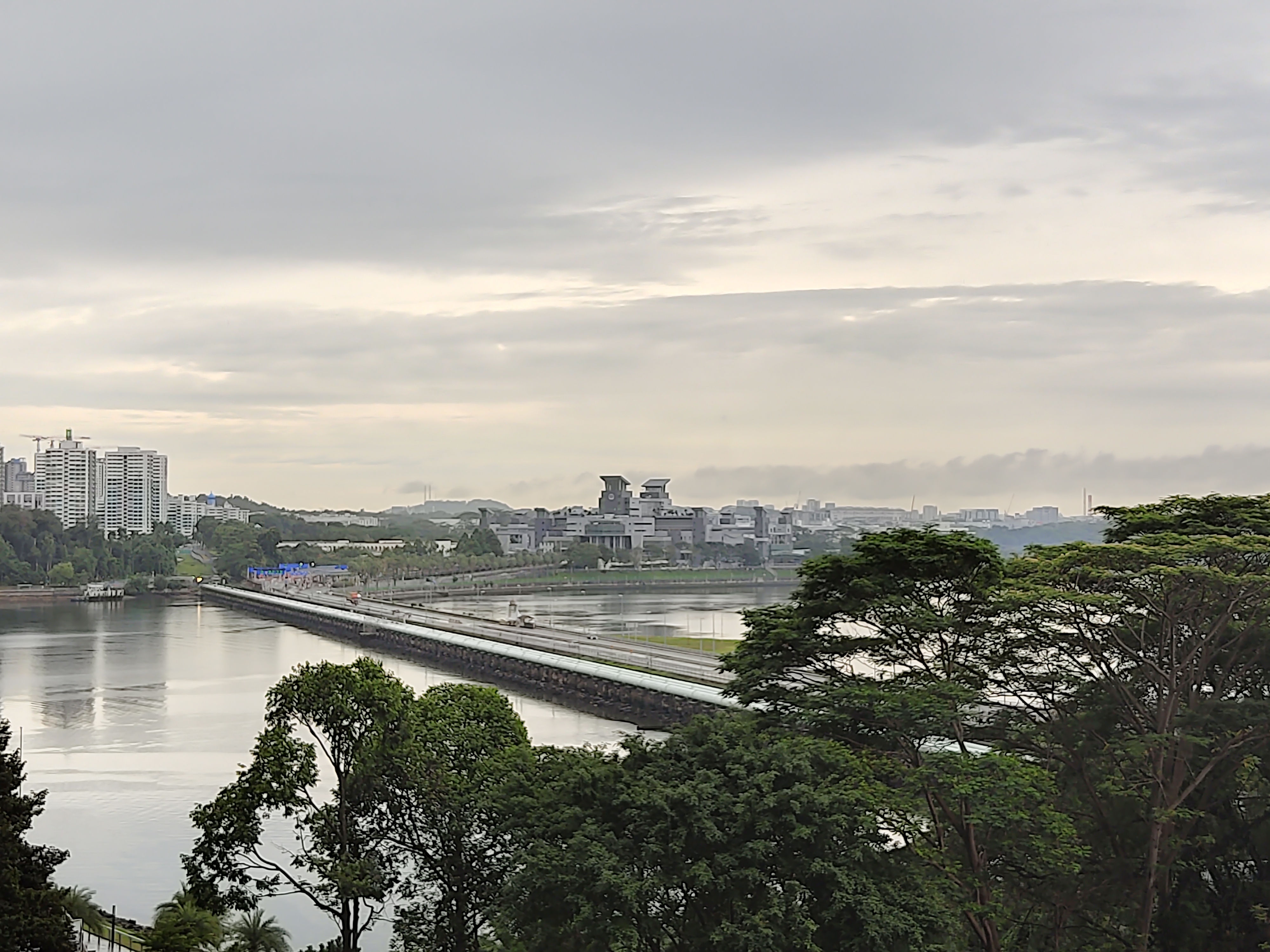
Eighteen months after the Johor-Singapore Special Economic Zone agreement was signed, the corridor has stopped being a concept. Johor drew RM91.1 billion in approved investment in the first nine months of 2025, three quarters of it within the zone, with Singapore the largest single source at RM28.5 billion. The Rapid Transit System link, five minutes from Woodlands North to Bukit Chagar, ten thousand passengers an hour, opens in December. QR-coded, passport-free crossing has been in trial since September. Johor Bahru serviced-apartment prices rose twenty percent in a year.
The question our clients ask is the portfolio one: what does an integrating Johor do to Singapore assets? The answer requires separating the segments, because the corridor is not one effect but three.
For industrial, the zone is complementarity, not competition. The pattern of committed capital, data centres, advanced manufacturing, logistics, is Singapore-headquartered operations placing land-hungry functions across the strait while control, finance and high-value work remain here. That is the Shenzhen-Hong Kong playbook, and its lesson is emphatic: the constrained, higher-order side of such pairs appreciates.
For residential, the honest assessment is that Johor offers Singapore-based families a second-home and yield market at a fifth of the price, and will absorb some marginal demand at the suburban rental edge once the RTS operates. The segments we serve, prime, landed, central, price on scarcity and status that no bridge changes.
For commercial and hospitality, the corridor is additive traffic: a functionally larger metropolitan region routing its finance, professional services and premium consumption through Singapore. Eight million people within an hour of Raffles Place is a larger catchment for every hotel room and office floor this side of the strait.
The discipline is to watch the corridor without romance in either direction, neither the fear that Johor hollows Singapore out, nor the fantasy that it changes nothing. Integration raises the value of the irreplaceable side. Singapore’s task, and its property market’s fortune, is to remain that side.
Zaiwealth advises clients with cross-border interests on Singapore positioning as the JS-SEZ develops.