Shophouses, after the reckoning.
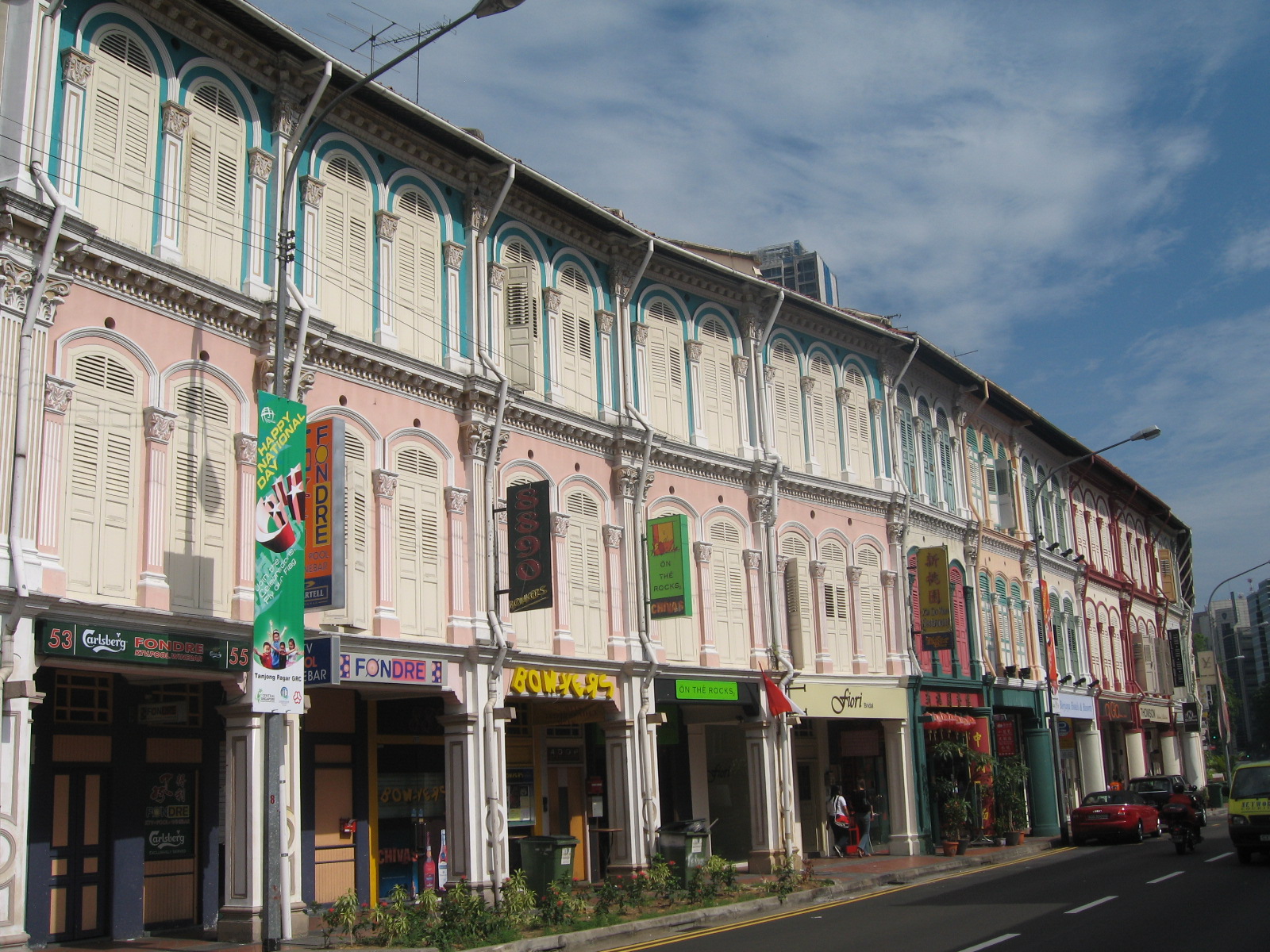
Two years ago, the conservation shophouse was Singapore’s most fashionable asset. Volumes peaked in 2023 on a wave of foreign capital moving through layered offshore vehicles, and prices in the central districts were quoted with the confidence of a market that believed it could only rise. Then came the S$3 billion money-laundering case, in which shophouses featured among the frozen assets, and with it a regime of scrutiny the segment had never known.
The aftermath is now measurable. Transaction volume is running at roughly half the 2023 peak. Banks and conveyancing firms apply enhanced source-of-funds documentation to cross-border buyers. The marginal purchaser of 2023, opaque, leveraged, indifferent to yield, has left the market.
What remains is more interesting than what left.
Pricing has not collapsed; it has clarified. Trophy assets in Tanjong Pagar and the central conservation districts are still marketed at ambitious rates, with guide prices on the best properties reaching toward S$6,000 per square foot, while ordinary stock has drifted back to levels that a rental underwrite can almost defend. The spread between the exceptional and the merely old has widened, which is what happens when a market stops pricing everything as a trophy.
The buyer profile has inverted. Where 2023 belonged to offshore vehicles, the enquiries we now see are family offices, established local operators, and structures whose beneficial ownership survives examination, because it must. A market in which every participant can withstand scrutiny is a market in which title, provenance and price mean something again.
For owners, the practical implication is patience: the exit at a 2023 price requires a 2023 buyer, and that buyer is gone. For acquirers with a decade’s horizon, the implication is opportunity of a specific kind, a finite, unreplicable asset class, roughly 6,500 conserved shophouses in a city that will never build another, temporarily out of fashion for reasons that have nothing to do with the asset itself.
Scarcity plus scrutiny is not a bear case. It is a quality filter.
Zaiwealth advises on conservation shophouse acquisitions and divestments across Singapore’s central districts.